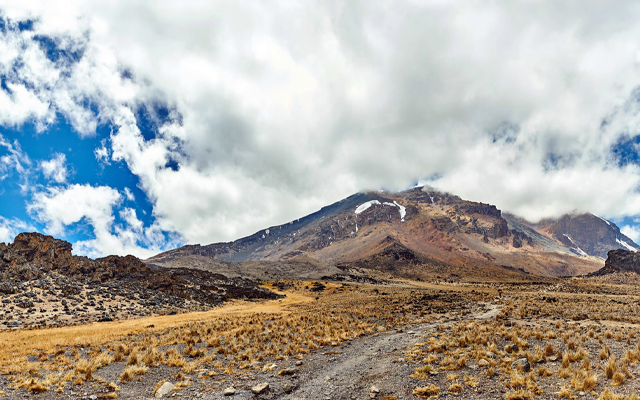
Rongai Route
A northern approach with a quieter trail character and descent via Marangu.
Route selection should take account of the number of trekking days, altitude profile, daily walking demands, preferred accommodation style and the climber’s preparation. Mountain weather and individual response to altitude vary, so the program is paced by the guide rather than treated as a race to higher elevations.
What to Expect on Rongai Route
Route Highlights
- Progress through changing Kilimanjaro vegetation and altitude zones
- Daily trekking with a professional mountain guide and support crew
- Planned overnight stops according to the selected route and duration
- Summit schedule controlled by weather, pace, health and guide decisions
Preparation Priorities
- Layered clothing suitable for warm lower slopes and cold upper mountain conditions
- Broken-in trekking boots, rain protection and personal mountain equipment
- Hydration, rest, steady pacing and honest communication about symptoms
- Appropriate travel insurance and personal medical preparation before departure
Detailed Rongai Route Program
The schedule below uses the detailed Kilimanjaro route material supplied for this website. Camp or hut timing can change with trail, weather and operational conditions, and guide safety decisions always take priority.
You will be picked up at the Kilimanjaro International Airport and transferred to your hotel in Moshi town; you will meet your guide who will brief you on your upcoming trek and do an equipment check to make sure you have all the necessary mountain gear. The missing gear can be rented on this day.
Elevation Gain: 760 meters, 2,000 feet After an early breakfast in Moshi, drive to the Rongai Gate near the Kenya border. After registering at the gate, begin your climb to Uhuru Peak, the roof of Africa. During the first day, hike through forests where you may see and hear wildlife.
Eat lunch on the trail before continuing to the first campsite. Rongai ascends via the less forested northern side of the mountain. Rongai Route is one of the least crowded routes on Kilimanjaro because of the long drive to the gate.
The Rongai trail is thought to have the best chance of viewing wildlife.
Elevation Gain: 1,000 meters, 3,280 feet During day two hike through Kilimanjaro’s moorland. The Rongai route is relatively short and steep, making for shorter hiking times. During this day, view Mawenzi Peak ahead.
Elevation Gain: 730 meters, 2,390 feet This day is an acclimatization day, allowing you to hike in the beginning of the day and rest in the afternoon and evening. The hike is relatively short but steep. The Mawenzi Tarn campsite is situated below Mawenzi Peak and offers stunning views of both Mawenzi and Kibo.
Day four is an acclimatization day at Mawenzi Tarn. We advise hiking a bit higher this day before returning to Mawenzi Tarn in the afternoon.
Elevation Gain: 420 meters/1380 feet Cross the lunar landscape of the saddle on this day to arrive at the final campsite. Kibo Camp is situated directly below the Kibo cone, giving you views of your final destination.
Elevation Gain: 1,145 meters, 3,760 feet Elevation Loss: 2,175 meters, 7,140 feet Around midnight, begin the final ascent to Uhuru Peak, the highest point in Africa. For the next six hours, hike by the light of your flashlight. The ascent to the crater rim is the most challenging part of the entire trek.
The trail is very steep until you reach the crater rim at Gilman’s Point. The hike from Gilman’s to Uhuru Peak is a gradual climb and, as far as hikes go, not very difficult. The altitude, however, makes the hike long and tiring.
The crater rim hike takes approximately two hours. Upon reaching Uhuru, take photos of your guide and group at the peak before beginning the descent to Horombo Hut.
Elevation Loss: 1,920 meters, 6,295 feet After breakfast, finish the trek with a descent to Marangu Gate. Your last hike on Kilimanjaro is a beautiful one, passing through Kilimanjaro’s cloud forest. Watch your step during the descent, as the trail can be slippery.
Our vehicles will be waiting at Marangu Gate to take you back to Moshi/Arusha. You will be able to buy t-shirts and sodas at the gate.
Typical Inclusions
- Professional mountain guide and support crew for the confirmed climb
- Park and route arrangements stated in the final quotation
- Meals during the mountain program as specified
- Camping or hut accommodation for the selected route
- Mountain transfers specifically shown in the confirmed itinerary
Typical Exclusions
- International flights, visas and travel insurance
- Personal trekking equipment unless specifically listed
- Tips, personal expenses and optional services
- Pre- or post-climb hotels unless stated in the quotation
- Any service not shown under confirmed inclusions
Mount Kilimanjaro
Frequently Asked Questions
Request Rongai Route
Send your preferred dates, number of climbers and any safari or Zanzibar extension you want included in the quotation.

 WhatsApp